

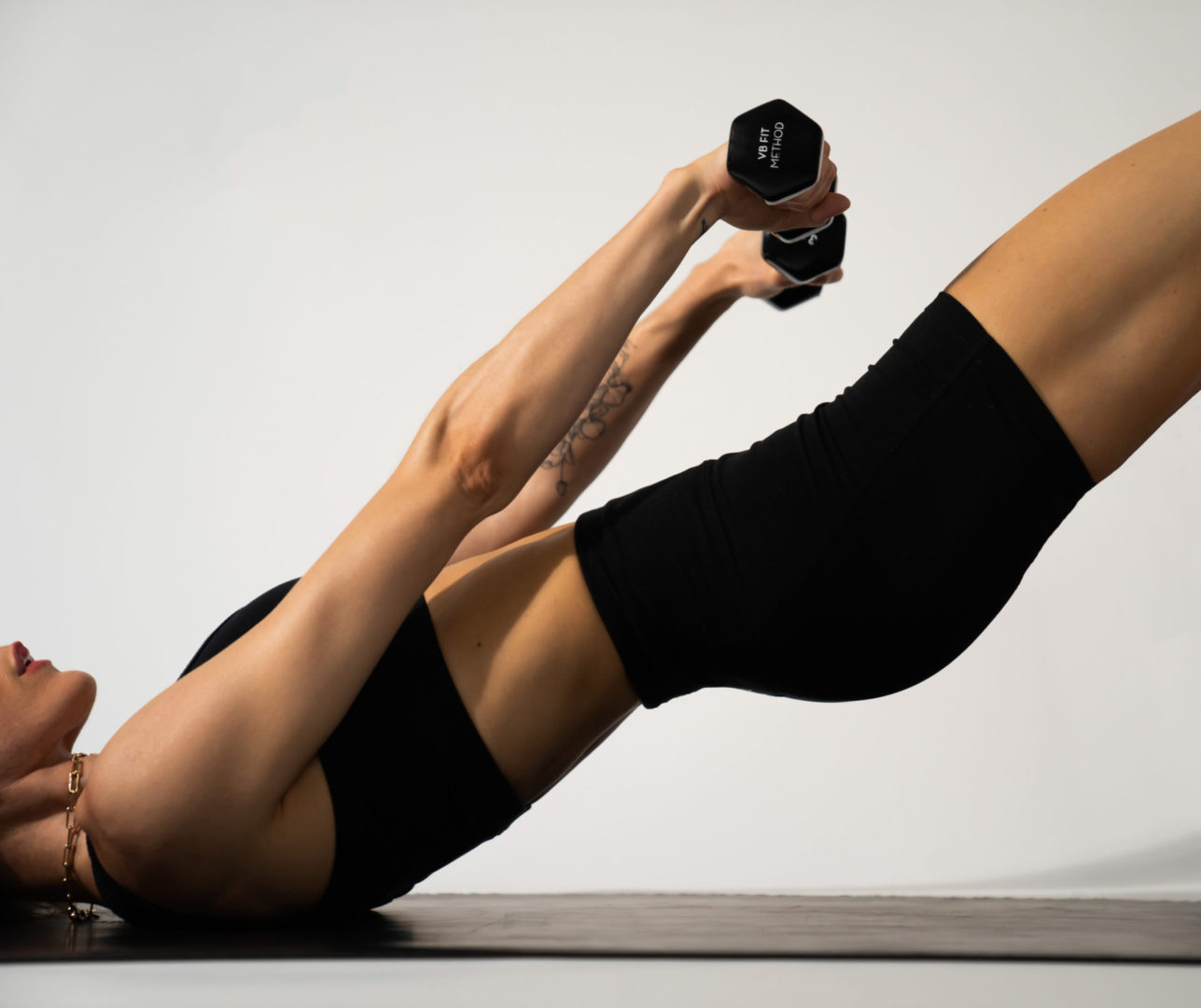
Getting the most out of your workouts isn’t just about working harder, it’s about working smarter connecting with your muscles more efficiently.
After practicing Pilates for over 15 years and teaching for over 12 years, I’ve learned to work with my body in a way I never experienced with other methodologies.
Every fitness method has its own purpose and benefits. But when it comes to Pilates, we gain something that transcends the workout itself—a set of principles that transforms not just how we move during exercise, but how we move through life.
WHY?
The Pilates method teaches practitioners a set of principles that enhances every form of movement, whether you’re doing Pilates, strength training, cardio, or simply moving through your daily activities. These principles create a foundation for sustainable strength, body awareness, and lasting transformation. They teach you to train from a place of connection and intention, not just effort.
WHAT ARE THESE PRINCIPLES?
The 6 core principles of Pilates are:
1. Breathing 4. Concentration
2. Control 5. Precision
3. Centering 6. Flow
Let me break down each principle and show you how to integrate them into your current routine, no matter what type of movement you practice.
1. BREATHING
This might seem intuitive since breathing is automatic. But the Pilates breathing technique is intentionally different from how we breathe during other workouts, and it’s a game-changer.
In Pilates, we practice diaphragmatic breathing: inhaling deeply through the nose and exhaling fully through the mouth, filling the lungs with air while engaging the core on the exhale.
When done properly, this breathing pattern alone activates your deep core muscles, helps regulate your nervous system, and creates a rhythm that supports every movement.
I personally use this breathing technique in all my workouts, even meditation and somatic work because it helps me stay connected, focused, and grounded.
How to apply to your current workouts?
Start integrating this breath pattern into your exercises. Inhale through your nose to prepare, exhale through your mouth during the effort (the hardest part of the movement), engaging your abs as you breathe out.
This isn’t just about oxygen. It’s about creating an internal rhythm that helps you move with more control, power, and intention.
2. CONTROL
Control is one of the principles I cue most often, and for good reason. When we move too quickly, we lose the ability to stabilize and without stabilization, we can’t truly connect with our muscles in a safe manner.
Control isn’t about restricting your body. It’s about moving with intention so you can strengthen from the inside out.
Muscle stabilization allows you to engage the right muscles at the right time, building functional strength that serves you in all areas of life. It also protects you from injury by ensuring your joints and muscles are properly supported.
I apply control to almost all my workouts, unless I’m specifically training for speed with cardio-based movements like running or HIIT. But even then, there’s always an element of control present to maintain form and safety.
How to apply to your current workouts?
Slow down. Take your time on both the exertion and the release of each movement.
For example, when doing bicep curls, control the weight as you lift and as you lower.
For ab work, resist the urge to rush through reps. Move with precision so you can feel the maximum point of contraction in your core muscles and tap into the deeper layers.
When you add control, every rep becomes more effective. Quality over quantity, always.
3. CENTERING
Centering means working from a strong, stable core (your body’s center) and maintaining proper alignment throughout your movements.
Your core isn’t just your abs. It includes your pelvic floor, glutes, hip flexors, and back muscles. This entire system works together to stabilize and support every movement you make.
During each exercise, focus on your point of stability. While that’s often your core, it can shift depending on the movement. The key is learning to recognize where you need to anchor and engage.
How to apply to your current workouts?
For example, if you’re lying on your back doing ab work with your legs extended away from you, focus on keeping your core engaged so your lower back doesn’t arch off the ground. Your weight should stay evenly distributed. You’re stabilizing from your center, not letting gravity or momentum take over.
This principle is about training yourself to move from a strong, connected center rather than relying on momentum or compensation patterns.
4. CONCENTRATION
Concentration is the heart of mind-body connection. It’s what transforms exercise from a physical task into a practice of self-attunement.
When you concentrate on your body, visualizing the muscles working, noticing where you feel tension or strength, you activate your nervous system in a way that enhances both the effectiveness and the experience of movement.
This is where movement becomes more than just reps and sets. It becomes a conversation with your body.
How to apply to your current workouts?
Before and during each exercise, tune in. Focus on the specific muscles you’re working. Visualize them contracting, lengthening, stabilizing.
Don’t just move to move, move with awareness and intention. Notice your body’s strengths and any challenges that come up with certain movements. This awareness helps you make smarter choices about when to push, when to modify, and when to rest.
5. PRECISION
Precision is where all the other principles come together. It’s about quality over quantity, moving with purpose, control, and intention.
No jerky movements. No going through the motions. Instead, you move deliberately, knowing exactly what you’re trying to achieve with each rep.
When you train with precision, you’re in charge of your body, not the other way around.
How to apply to your current workouts?
Combine concentration, control, and centering, and precision will follow naturally.
For example, if you’re in a plank and lifting one arm at a time, don’t just lift your arm as dead weight. Focus on lengthening through your fingertips, engaging every muscle in your arm and shoulder, and keeping your hips stable and square.
Precision turns a good exercise into a transformative one.
6. FLOW
Flow means moving fluidly, both during an exercise and from one movement to the next.
It’s the principle that makes movement feel graceful, rhythmic, and even meditative.
You see this quality in dancers and gymnasts, where every transition is intentional and seamless. In Pilates, we strive for that same fluidity.
How to apply to your current workouts?
Move from one exercise to the next with minimal rest, and make your transitions as smooth as possible.
For example, if you’re doing a sequence that includes a plank followed by a squat, finish your plank by jumping or stepping your feet toward your hands, then flow directly into your squat.
In classical Pilates, there are specific transitions built into the repertoire. But I love applying this concept to all my workouts, whether I’m doing traditional strength training, HIIT | Cardio Power, or a Pilates Weights Fusion routine. The creativity and freedom in how you move keeps your heart rate up and your mind engaged.
There are moments where rest is necessary and important. But when you can, aim for flow. It adds a layer of mindfulness and efficiency to your training and will take your strength and stamina to a whole new level.
SO WHAT SHOULD YOU DO?
If this concept is new to you, start small. Choose one principle to focus on during your next workout and see how it shifts the way you feel and move.
Keep coming back to that principle every time you exercise until it becomes second nature.
Then layer in another one. Over time, all six will become part of how you naturally move and that’s when the real transformation happens.
I promise, integrating these principles will completely change how you experience exercise. You’ll feel stronger, more connected, and more in control of your body.
And that’s what VB Method is all about—building strength from the inside out no matter whether you do pilates, weights, or cardio.
xo,
Vilmaliz


Share Post